Reclaiming the Soul of the Struggle: A Reflection on the Crisis Within the Social Justice Movement in Kenya
Reclaiming the Soul of the Struggle: A Reflection on the Crisis Within the Social Justice Movement in Kenya
Gerald Kamau
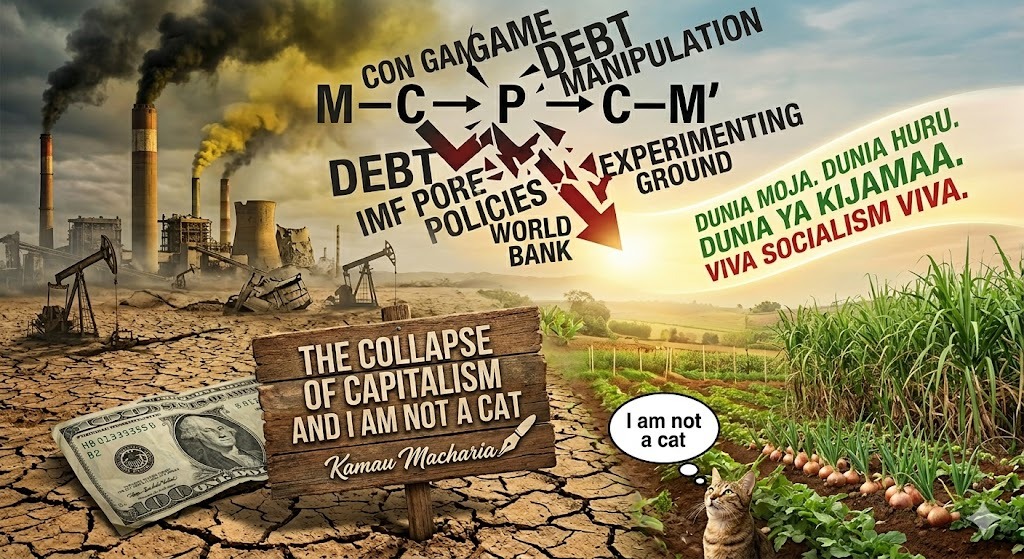
In every generation of organisers, a moment arises that tests the soul of a movement. For Kenya's Social Justice Movement, that moment arrived and it was due to the inevitable result of internal decay, unaccountable leadership, and a revolutionary vision diluted by sectarian funding.
Years ago, we stood at Kamukunji in Kiamaiko, stared into the hollowed-out shell of our Steering Committee. We weren't just facing flawed individuals; we were wrestling with the historical ghosts of liberalism, co-optation, sexism, and "NGOnization" that have long haunted our struggle for justice.
We did not begin as bureaucrats or project managers. Our movement was forged in struggle, on bloodied pavements, in communities marked by police violence, and in the grief of families whose loved ones disappeared under a brutal state. Campaigns like #StopKillingUs and #NjaaRevolution were the expressions of lived reality.
Yet, as the movement grew, new contradictions emerged. Funding models began to reshape organising priorities. Comrades were slowly transformed into gatekeepers. Patriarchy and elitism crept into spaces that were meant to dismantle them. This was more than a failure of individuals; it was also an ideological drift. The movement began to lose clarity about its purpose.
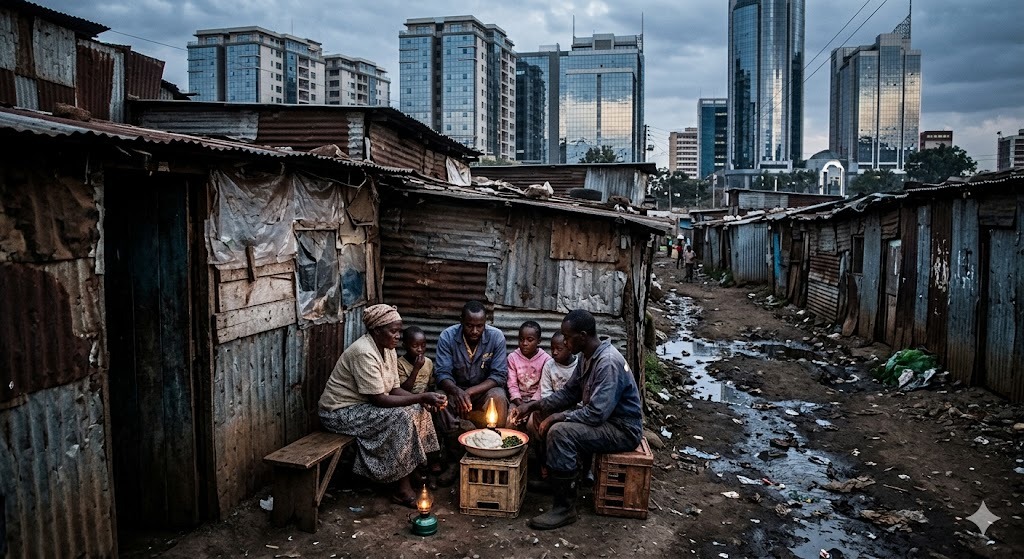
Then came the Covid 19 pandemic which intensified these contradictions. On one hand, it exposed the violent character of the state through curfews, police brutality, and abandonment of the poor. On the other, it revealed the power of grassroots organising.
Through initiatives like #SabaSabaMarch and #PeoplesMarchToStateHouse, communities demonstrated courage and collective strength. Mutual aid, food distribution, and solidarity networks showed that alternatives were not only necessary — they were possible.
However, even in this moment of creativity, limitations were clear. Much of the organising remained reactive.
The Battle of Ideas
It is in this context that the movement entered a period of ideological rupture. Painful as it was, this split marked a necessary confrontation with fundamental questions: What is our political direction? Who do we serve? What kind of movement are we building?
The formation of a Political Committee that brings together forces like the Revolutionary Socialist League and the Young Communist League is an attempt to reclaim ideological clarity. This is not a rejection of resources, but a rejection of funding that fragments and depoliticizes struggle.
The task ahead is no longer just resistance. It is construction of a movement rooted in class struggle, anti-imperialism, and people's power.
To Young Comrades in the Struggle
For many young organisers, this moment is confusing. That confusion is not a weakness; it is part of political development.
The greatest threats we face are not only repression and exploitation, but internal contradictions: sexism rooted in patriarchy, sectarian divisions, opportunism, and backdoor lobbying. These are not secondary issues. They are political obstacles that weaken collective power.
This is why study and political education are not optional. They are tools of clarity. They help us understand who the enemy is — both in the system we resist and in the habits we inherit. They teach us to distinguish between genuine comradeship and opportunism, between revolutionary commitment and performative activism.
If you feel confused or disillusioned, you're not alone. That confusion is part of the struggle. But don't run from it — study it, question it, organise through it. That is how consciousness is built. That is how movements become sharp. The Kenyan social movement is not perfect but it is ours to shape, criticise, and radicalise. Let's stay focused. Let's reject sexism, patriarchy, sectarianism, and opportunism in all their forms. Let's build a movement that is principled, disciplined, and grounded in the people's power.
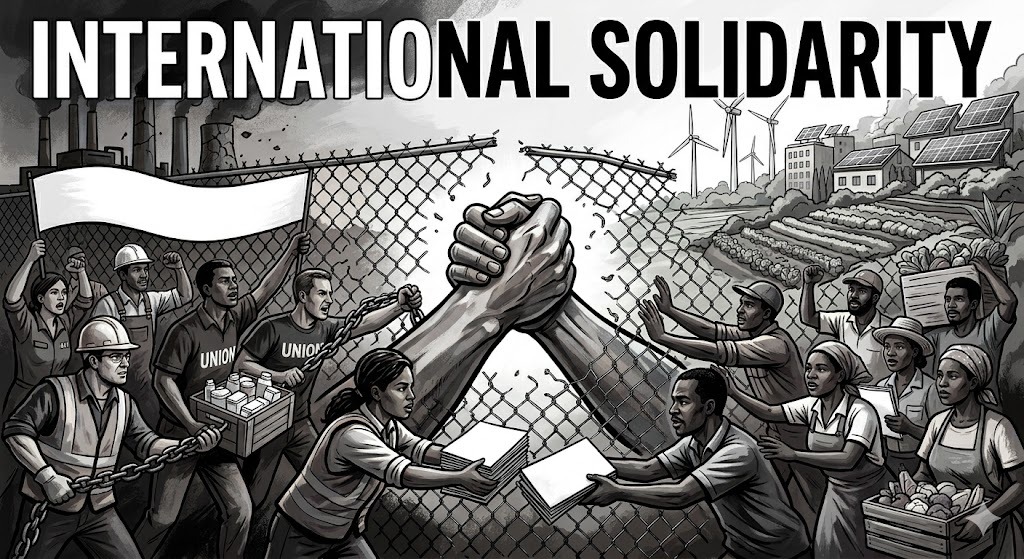
The blood of our people still marks the streets. Evictions continue. Public services fail. Justice is delayed and denied. Yet the masses remain the most powerful revolutionary force. It is they who will judge us — not by our slogans or funding reports, but by our consistency, integrity, and revolutionary commitment. Let us never forget: movements are betrayed not only by infiltrators but also by silence, compromise, and ideological laziness. So let this be our vow: No more hijackings. No more sectarianism. No more ideological fog. The revolution is not an event — it is a process. And we must fight for it.
The Social Justice Centres: Potentials and Contradictions
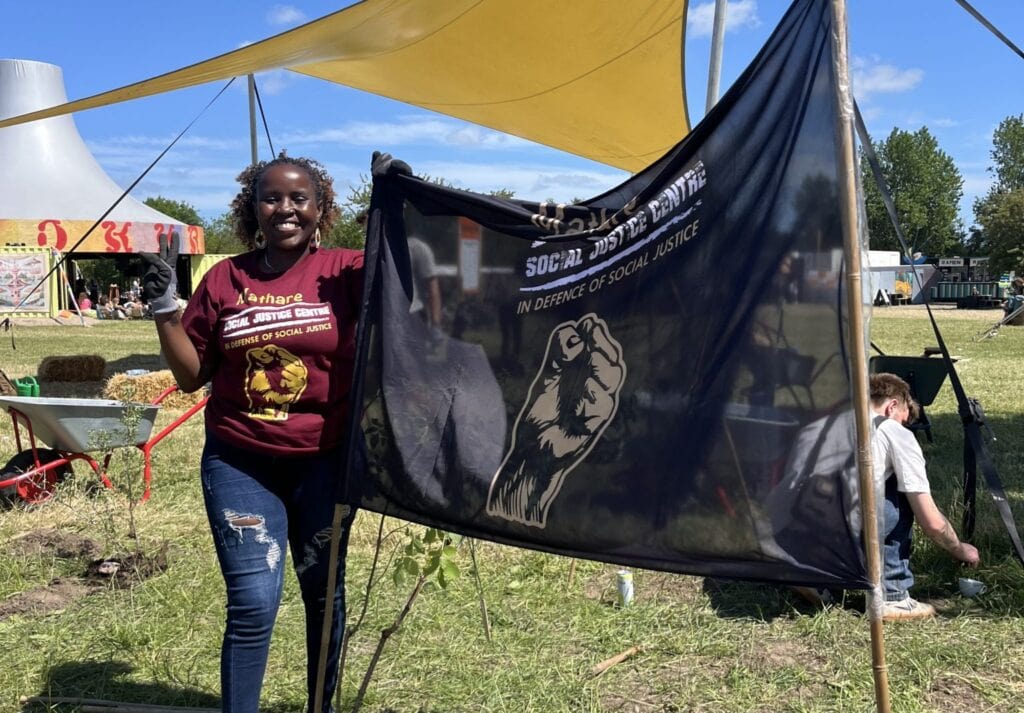
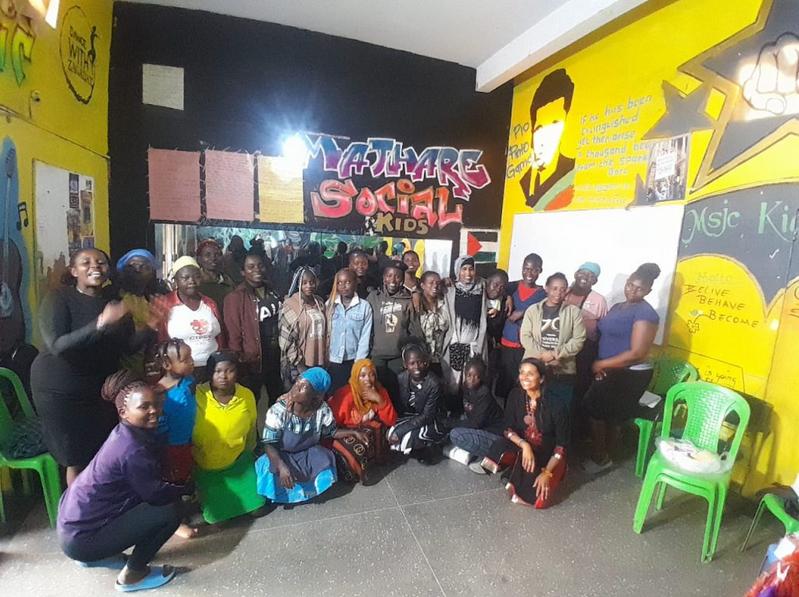
The Social Justice Centres (SJCs) have been among the most significant grassroots formations in Kenya over the past decade. Rooted in communities like Mathare, Kayole, and Mukuru, they have built powerful infrastructures of resistance, documenting injustice, organising communities, and creating spaces for political education.
Their decentralised structure has been both a strength and a limitation.
During moments such as the Saba Saba marches, the Njaa Revolution, and the 2024 Gen Z uprising, SJCs demonstrated strong mobilisation capacity, deep community trust, and the ability to respond rapidly to crises. They bridged digital activism with grassroots organising and kept alive the memory of resistance.
But these same moments exposed key weaknesses. Mobilisation often remained symbolic, lacking connection to a broader revolutionary programme. Political education was uneven, and NGO frameworks influenced organising approaches. In some instances, leadership drifted toward reformism, diluting radical potential.
This contradiction defines the current moment: strong organising capacity without a unified political direction.
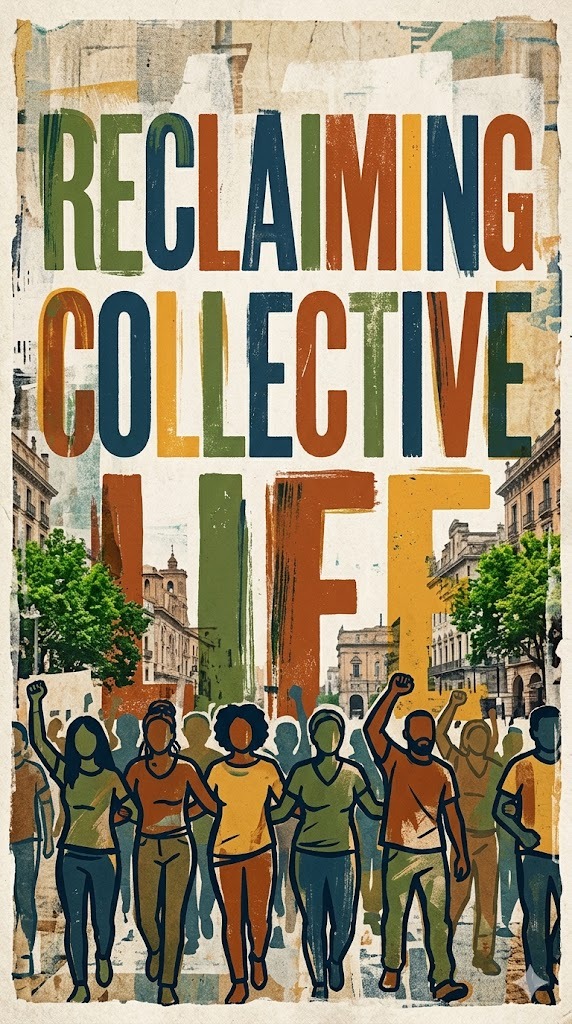
Reclaiming the Struggle
The crisis within the Social Justice Movement is, at its core, a struggle over direction. It raises a fundamental question: will the movement remain rooted in the people, or be absorbed into systems of control?
The lessons are clear. Without ideology, movements drift. Without organisation, they fragment. Without accountability to the masses, they are easily co-opted.
This struggle is beyond our region. Across Africa, similar contradictions are unfolding. Nowhere is this clearer than in the Sahel, where Mali, Burkina Faso, and Niger have formed the Alliance of Sahel States (AES) in an attempt to break from neocolonial control.
Their efforts to assert military, economic, and political sovereignty reflect a broader continental shift — a rejection of imperial domination and a search for new paths of self-determination.
But, like all revolutionary processes, this struggle faces immense challenges: sanctions, isolation, and internal contradictions.
The task is urgent but possible. The foundations exist in the people, in their resistance, and in their enduring demand for dignity. The struggle continues. But its direction must now be consciously reclaimed.

Gladys wambui Muchiri Reply
Congratulations Kamau, you have done a great job. Remember the women role in movement build and try centering women organising as a solutions, Similarly, the silence on mental wellbeing is striking. The author vividly evokes "bloodied pavements," "grief," and "police violence," yet never asks: what sustains the organisers carrying that trauma? Movements that ignore burnout, vicarious trauma, and collective care don't just become less humane—they become less effective. History shows that the most durable organising cultures are those that ritualise rest, peer support, and accountability.